 8505b7e9e0
flux.vision, tobias.raayoni-last.com and randogoth.com. They were one site until
October 2026, serving four audiences from a single dated list, which is the only
format that can hold unrelated things at once.

flux.vision is recovered from the Wayback Machine, where it had sat since being
deleted in 2021: 90 articles, closed and maintained rather than updated.
tobias.raayoni-last.com is the professional record, 97 articles back to 1999.
randogoth.com is the technical work, 41 articles across six areas, served as an
ANSI bulletin board.

History starts here deliberately. The development history, the 266-row inventory
that records why each article went where it did, the Wayback pipelines, the
pruned articles, the source archives and the full-size images are kept beside
the repo rather than in it, so a clone is the web presence and not the argument
that produced it. REFACTOR.md is gitignored for the same reason. See README.md
for where that material lives, and keep it: the sort is not reproducible from
these three directories alone.

Each site documents itself in its own README, including the traps that cost time
and look like nothing when you get them wrong.
1.5 KiB
Title: SATCIC at FREEMOTE 11 Date: 2011-12-01 Category: installation Slug: satcic-hivemind-at-freemote-11 Thumb: /library/6493696041_23b9b8a05d_z.jpg Background: /library/6493696041_23b9b8a05d_z.jpg Project: satcic With: Tim de Cort http://timdecort.be Capture: 20150814191454
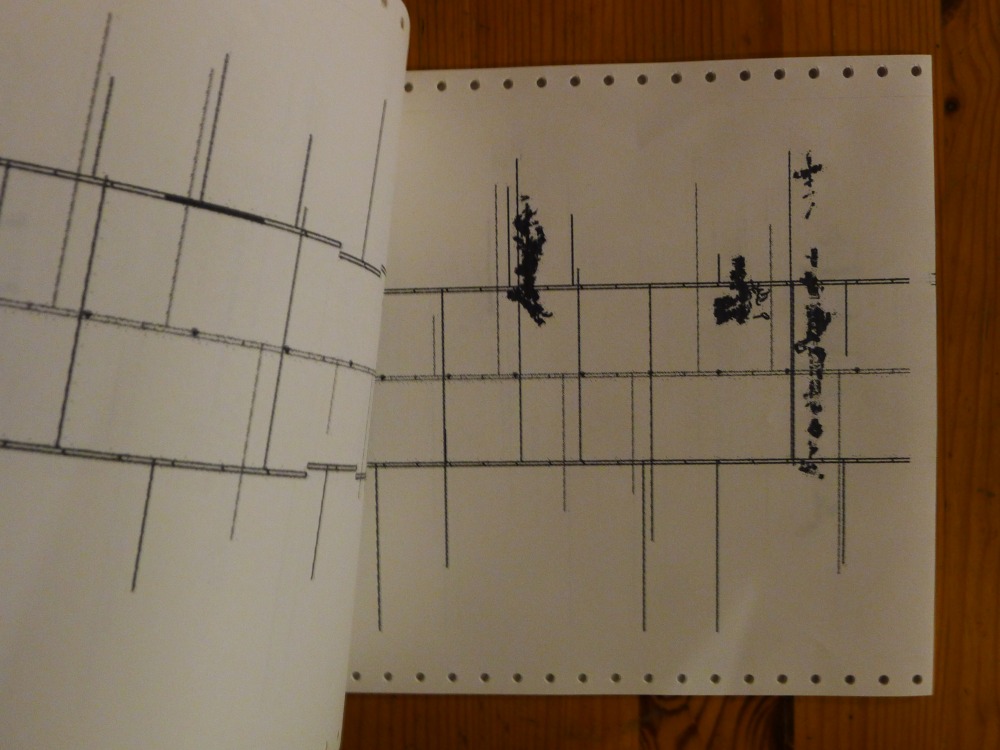
collaborative installation with Tim de Cort shown at FREEMOTE Festival. a random font consisting of broken down architectural elements is being composed into a pattern in chaotic order fed from the semantic input from a C64 computer keyboard. The pattern is sporadically printed onto endless paper.
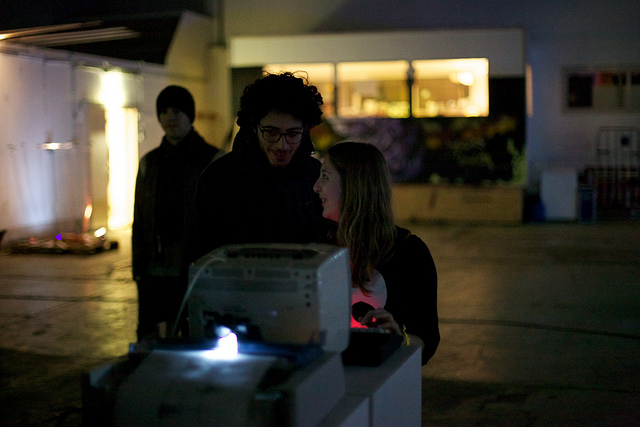 photo (CC) Sebastiaan ter Burg
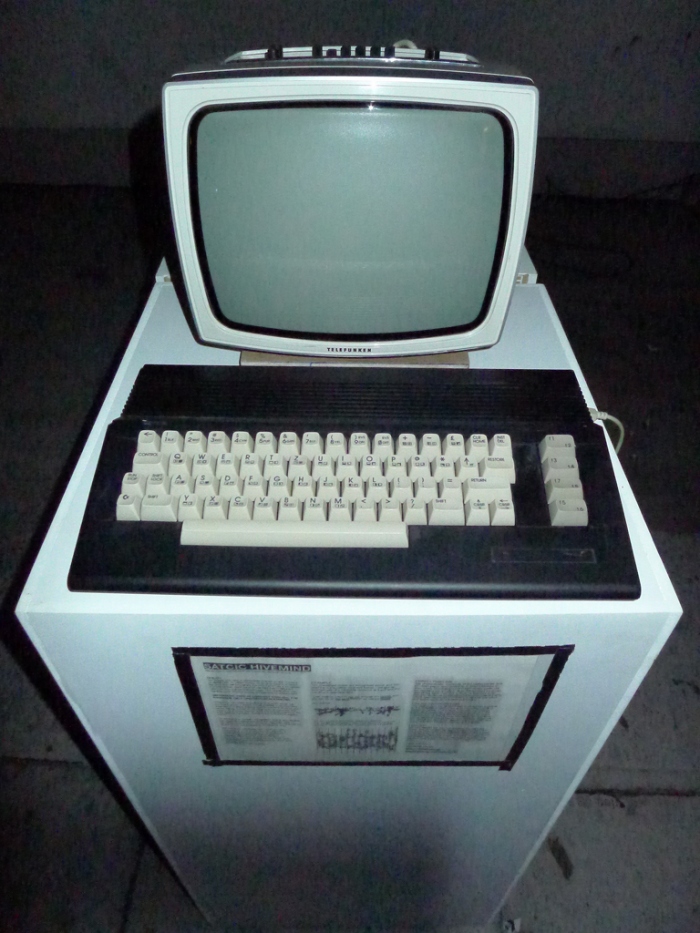 the interface
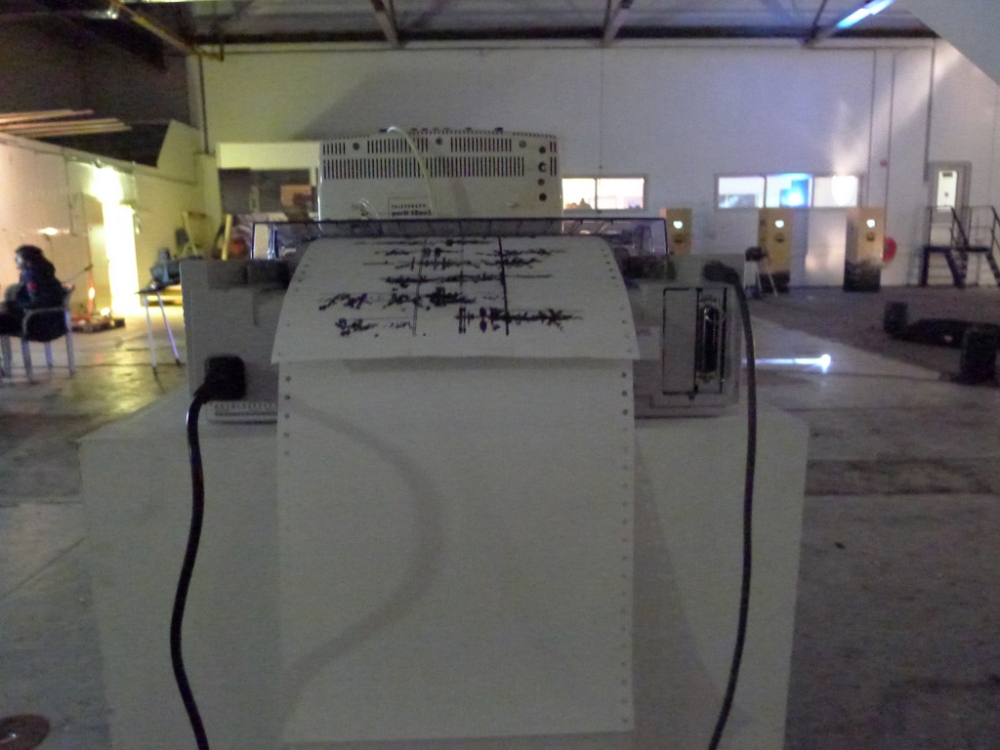 the output
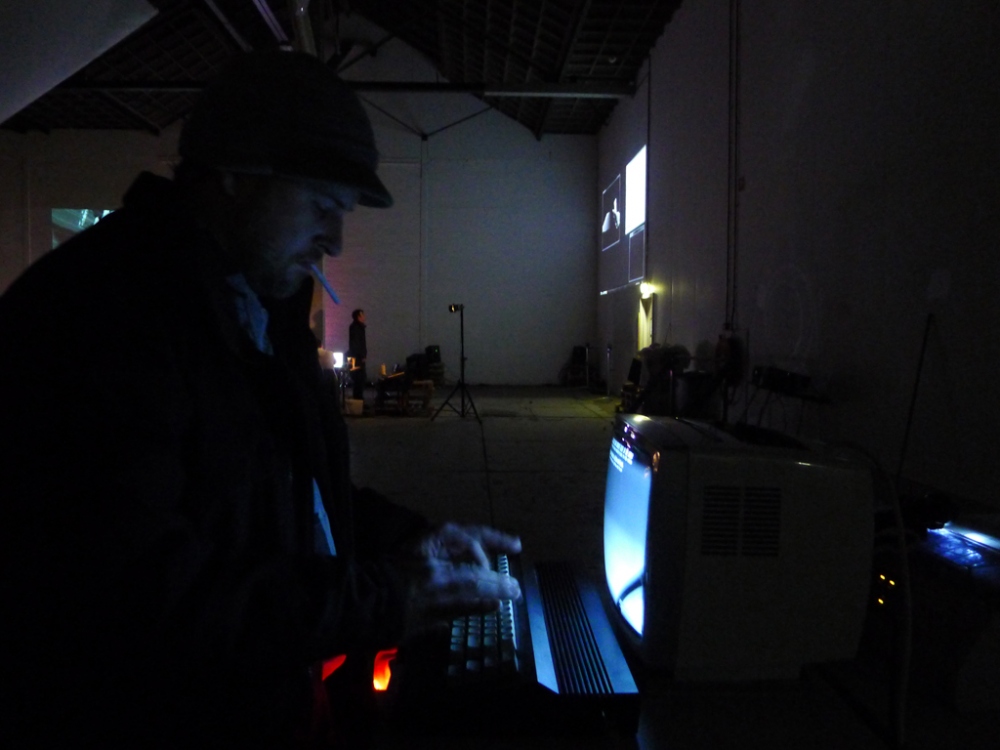
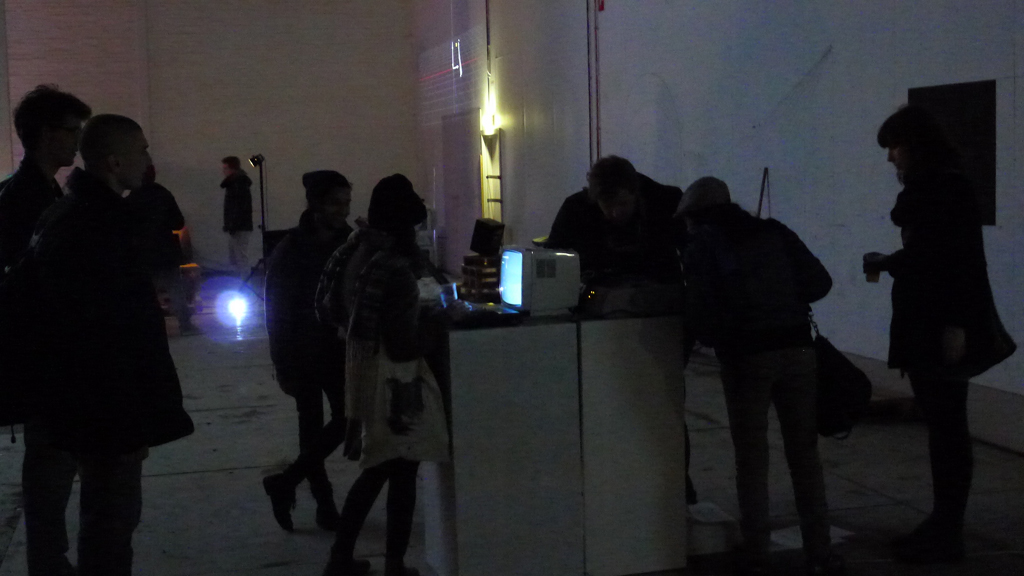
after the first day, the original 60's television set was broken. first it started with magnetic glitches, then it died completely. so for day 2 we used a projector instead and constantly showed the SATCIC output also on the projection.
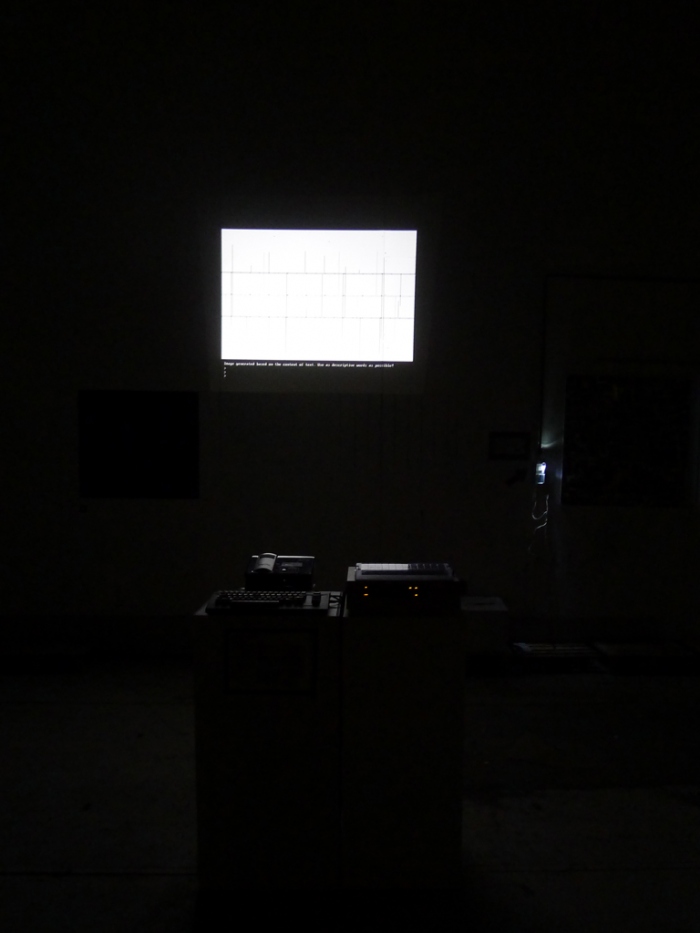
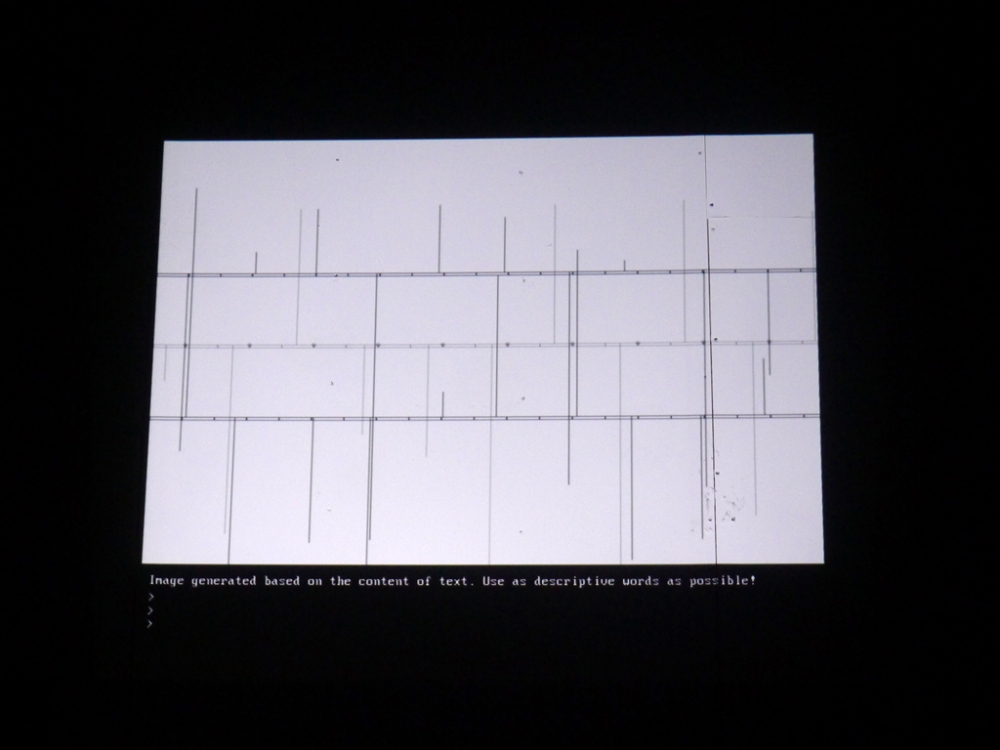
the main problem about the installation was the input people gave. we are not sure if it was the audience or the setting that resultet in output that was rather superficial and flat and didn't really show the power of SATCIC. Tim reflects on the issue on his blog and also gives examples of what people typed in.